
UCAT Exam Pattern and Format
 By
Abhinav Jain,
Founder & Director, Gateway International |
IIT Delhi Alumni | 17+ Years Experience | 50,000+ Students Placed
By
Abhinav Jain,
Founder & Director, Gateway International |
IIT Delhi Alumni | 17+ Years Experience | 50,000+ Students Placed
Published: January 3, 2025 | 12 min read | ✓ Verified Expert
Table of Contents
- Introduction
- UCAT Test Overview: What Indian Students Must Know
- UCAT Exam Format: Section-by-Section Breakdown
- UCAT Exam Pattern: Timing, Structure, and Scoring
- UCAT Test for Medical School Admissions
- Understanding UCAT Test Scores and Percentiles
- UCAT Preparation Strategies for Indian Aspirants
- Comparing UCAT Sections: Skills and Challenges
- UCAT vs Other Medical Entrance Exams
- UCAT Application Process and Key Deadlines
- UCAT Scholarships and Funding Opportunities
- Expert UCAT Exam Tips for Indian Students
- Latest News Updates: UCAT and Medical Admissions
- Conclusion
Introduction
The UCAT exam (University Clinical Aptitude Test) has become a pivotal gateway for Indian students aspiring to pursue medicine or dentistry at top universities in the UK, Australia, and New Zealand. With the global demand for medical professionals rising and competition intensifying, understanding the UCAT exam pattern and format is more crucial than ever. For many Indian students, the UCAT test overview is the first step in a journey that could lead to a world-class medical education and an international career.
The UCAT exam is not just another standardized test; it is designed to assess a range of cognitive abilities, attitudes, and professional behaviors required for success in medicine. Unlike traditional exams that focus on rote memorization, the UCAT exam format evaluates skills such as critical thinking, problem-solving, and ethical judgment. This makes it a unique challenge for Indian students who are more accustomed to content-heavy entrance exams like NEET.
Navigating the UCAT test for medical school admissions can be daunting, especially when balancing schoolwork, extracurriculars, and other entrance exams. The stakes are high, as UCAT test scores are a key component in the selection process for many prestigious universities. With over 17 years of expertise and more than 50,000 students placed globally, Gateway International is committed to helping Indian aspirants decode the UCAT exam and achieve their medical dreams.
In this comprehensive guide, we will provide a detailed UCAT test overview, break down the UCAT exam pattern and format, explain how UCAT test scores are calculated, and offer proven strategies for Indian students. Whether you are just starting your UCAT preparation or looking for advanced tips to boost your score, this article will equip you with everything you need to succeed.
🎯 Important: Visa and Accommodation Challenges
The overstretched process of applying for international study permits and finding affordable, comfortable accommodation abroad is often cumbersome and unclear. Visa documentation, research into accommodation, and expense management challenges often require assistance for international students.
Ready to Start Your Journey?
Join thousands of students who achieved their dreams with Gateway International
Get Started →UCAT Test Overview: What Indian Students Must Know
The UCAT exam is a computer-based admissions test used by a consortium of medical and dental schools in the UK, Australia, and New Zealand. Its primary purpose is to assess a candidate’s mental aptitude and professional behaviors, rather than academic knowledge. For Indian students, the UCAT test overview is essential because it highlights the skills that medical schools value most—skills that go beyond textbook learning.
The UCAT exam is divided into five distinct sections, each targeting a different cognitive or professional skill set. These sections are:
- Verbal Reasoning – Assesses the ability to critically evaluate information presented in written form.
- Decision Making – Tests the capacity to make sound decisions and judgments using complex information.
- Quantitative Reasoning – Measures numerical problem-solving skills.
- Abstract Reasoning – Evaluates the ability to identify patterns and relationships in data.
- Situational Judgement – Assesses understanding of real-world scenarios and ethical decision-making.
Each section is timed separately, and the total duration of the UCAT exam is approximately two hours. The test is administered at Pearson VUE centers across India and globally, making it accessible to Indian students regardless of their location.
What sets the UCAT test overview apart from other exams is its focus on aptitude rather than academic achievement. This means that even students with strong academic records must adapt their preparation strategies to excel in the UCAT exam format. The test is also used by a growing number of universities in Australia and New Zealand, expanding opportunities for Indian students seeking international medical education.
🎯 Important: Global Exposure & Practical Experience
Many students are eager to be immersed in the practical application and have access to industry standard infrastructure, something which they feel is lacking in many Indian institutions.
Need Expert Guidance?
Our counselors are here to help you navigate your study abroad journey
Contact Us →UCAT Exam Format: Section-by-Section Breakdown
Understanding the UCAT exam format is critical for Indian students aiming to maximize their performance. The exam is structured into five sections, each with its own time limit and question types. Here’s a detailed breakdown:
- Verbal Reasoning: 44 questions in 21 minutes. Candidates analyze written passages and answer questions that test comprehension, inference, and critical evaluation.
- Decision Making: 29 questions in 31 minutes. This section presents scenarios, charts, and graphs, requiring logical reasoning and judgment.
- Quantitative Reasoning: 36 questions in 24 minutes. Focuses on interpreting numerical data, calculations, and problem-solving under time pressure.
- Abstract Reasoning: 50 questions in 13 minutes. Tests the ability to identify patterns and relationships in shapes and sequences.
- Situational Judgement: 69 questions in 26 minutes. Presents real-life scenarios to assess ethical reasoning and professional behavior.
Each section of the UCAT exam format is designed to simulate the fast-paced and high-pressure environment of medical practice. The questions are multiple-choice, and candidates must manage their time effectively to attempt all questions within the allotted time.
The UCAT exam is delivered in a secure, computer-based format, ensuring fairness and consistency across all test centers. For Indian students, familiarity with the digital interface and practicing with official UCAT sample tests can significantly improve confidence and performance.
| Section | Number of Questions | Time (Minutes) |
|---|---|---|
| Verbal Reasoning | 44 | 21 |
| Decision Making | 29 | 31 |
| Quantitative Reasoning | 36 | 24 |
| Abstract Reasoning | 50 | 13 |
| Situational Judgement | 69 | 26 |
Mastering the UCAT exam format requires not only subject knowledge but also the ability to think quickly and adapt to different question types. Indian students are encouraged to simulate exam conditions during practice to build speed and accuracy.
🎯 Important: Financial Concerns and Education Loans
It is difficult for students with limited guidance or those who fear significant interest charges to obtain educational loans. Though financial limitations might make it challenging to study on foreign shores, international students can take advantage of scholarships, aid programs, and special loans to raise the finances for their education.
Streamline Your SOP Creation
Use Gateway’s SOP Generator to craft the perfect Statement of Purpose
Create Your SOP →UCAT Exam Pattern: Timing, Structure, and Scoring
The UCAT exam pattern is meticulously designed to test a broad spectrum of abilities within a compressed timeframe. Each section is timed independently, and there is no break between sections. The total test duration is approximately 120 minutes, including instructions and a short tutorial at the beginning.
Here’s a closer look at the structure and scoring of the UCAT exam:
- Sectional Timing: Each section has a strict time limit, and candidates cannot return to a previous section once it is completed.
- Question Types: All questions are multiple-choice, with some requiring selection of more than one answer.
- Scoring: The first four sections (Verbal Reasoning, Decision Making, Quantitative Reasoning, Abstract Reasoning) are scored on a scale of 300 to 900 each, resulting in a total score range of 1200 to 3600. The Situational Judgement section is scored in bands from 1 (highest) to 4 (lowest).
- Percentiles: UCAT test scores are reported with percentile rankings, allowing candidates to gauge their performance relative to other test-takers.
The UCAT exam pattern emphasizes speed, accuracy, and adaptability. Indian students must develop strategies to manage time effectively, avoid spending too long on difficult questions, and maximize their overall score.
It’s important to note that UCAT test scores are valid for one admissions cycle only. This means that students must plan their test date carefully to align with university application deadlines.
| Feature | UCAT | NEET |
|---|---|---|
| Test Duration | 2 hours | 3 hours 20 minutes |
| Question Type | Aptitude-based MCQs | Subject-based MCQs |
| Scoring | 1200–3600 + Bands | 720 |
| Validity | 1 year | 1 year |
By understanding the nuances of the UCAT exam pattern, Indian students can tailor their preparation to meet the unique demands of the test and stand out in the competitive medical admissions landscape.
🎯 Important: Scholarship Availability
The awareness of the existence of scholarships for Indian students outside the country is increasing, which acts as a strong motivational factor to study abroad.
Explore Top Universities
Choose the best university based on rankings and our expert guidance
View Universities →UCAT Test for Medical School Admissions
The UCAT test for medical school is a mandatory requirement for admission to many leading medical and dental programs in the UK, Australia, and New Zealand. For Indian students, achieving a competitive UCAT test score can open doors to prestigious institutions and set the foundation for a successful medical career abroad.
Medical schools use the UCAT exam as part of a holistic admissions process that considers academic records, personal statements, references, and interviews. The UCAT test for medical school is particularly important because it provides an objective measure of cognitive abilities and professional attributes that are essential for future doctors and dentists.
- UK Medical Schools: Over 30 universities, including King’s College London, University of Manchester, and University of Edinburgh, require the UCAT exam for undergraduate medical and dental courses.
- Australian & New Zealand Universities: Several top universities, such as the University of Adelaide and University of Auckland, have adopted the UCAT ANZ for medical admissions.
- Selection Process: UCAT test scores are used alongside academic qualifications to shortlist candidates for interviews and final offers.
For Indian students, preparing for the UCAT test for medical school requires a shift in mindset from content-heavy exams to skills-based assessment. Success in the UCAT exam can significantly enhance your chances of securing a place at a world-class medical school.

Priya Sharma
“Gateway International’s guidance on the UCAT exam pattern and format helped me understand what top UK medical schools expect. Their strategies made a huge difference in my preparation and confidence!”
🎯 Important: Post-Study Work Visas
International students are particularly attracted to the post-study work opportunities in Canada, Australia and the UK.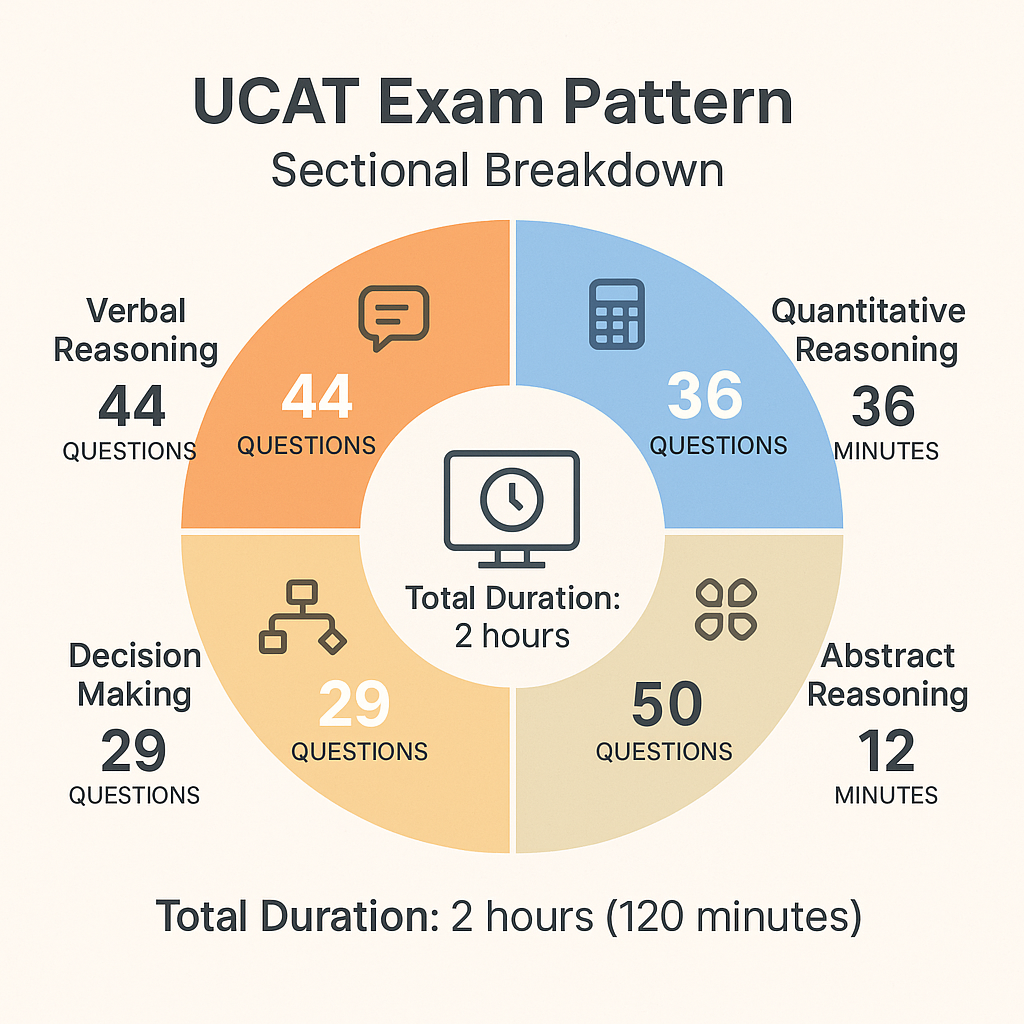
Understanding UCAT Test Scores and Percentiles
Interpreting UCAT test scores is a critical step for Indian students aiming for medical school admissions. The UCAT exam is scored differently from most Indian entrance exams, with each cognitive section (Verbal Reasoning, Decision Making, Quantitative Reasoning, Abstract Reasoning) scored on a scale of 300 to 900. The Situational Judgement section is reported in bands from 1 (highest) to 4 (lowest).
The total UCAT test score is the sum of the four cognitive section scores, resulting in a range from 1200 to 3600. Medical schools often publish the average UCAT test scores of their admitted students, which can help applicants set realistic targets.
- Percentiles: Each year, UCAT releases percentile tables showing how individual scores compare to the entire cohort. Scoring above the 80th percentile is considered highly competitive.
- Band Scores: The Situational Judgement section is crucial for assessing ethical and professional decision-making. Many universities set minimum band requirements for admission.
- Score Validity: UCAT test scores are valid for one admissions cycle only, so timing your test is essential.
Indian students should research the UCAT test scores required by their target universities and aim to exceed the published averages. Consistent practice, mock tests, and targeted preparation can help boost your percentile ranking and enhance your application.
🎯 Important: Career Progression & International Degree Recognition
Students seek globally recognized degrees for better job placements in MNCs and broader career opportunities.
Simplify Your Admission Process
Let our experts smoothen your admission process with scholarship assistance
Get Started →UCAT Preparation Strategies for Indian Aspirants
Preparing for the UCAT exam demands a strategic approach, especially for Indian students who may be more familiar with knowledge-based entrance tests. The UCAT exam format requires quick thinking, adaptability, and the ability to handle unfamiliar question types under strict time constraints.
Here are some proven UCAT preparation strategies:
- Start Early: Begin your UCAT preparation at least 3–6 months before your planned test date to allow sufficient time for skill development.
- Understand the Format: Familiarize yourself with the UCAT exam format by practicing with official sample tests and reviewing the question types for each section.
- Time Management: Practice answering questions under timed conditions to build speed and accuracy. Use a stopwatch or online timer during mock tests.
- Target Weak Areas: Identify your strengths and weaknesses through diagnostic tests and focus your preparation on sections where you need the most improvement.
- Use Quality Resources: Leverage official UCAT preparation materials, online courses, and expert guidance from organizations like Gateway International.
- Simulate Exam Conditions: Take full-length practice tests in a quiet, distraction-free environment to build exam stamina and reduce anxiety.
Indian students should also consider joining study groups, attending UCAT workshops, and seeking mentorship from successful test-takers. Consistent practice and a positive mindset are key to achieving a high UCAT test score.

Rohan Mehta
“The UCAT test overview provided by Gateway International gave me a clear roadmap for my preparation. Their expert mentors helped me improve my time management and tackle tricky sections with confidence.”
🎯 Important: Limited Seats in Top Indian Colleges
Intense competition and entrance exams in India make foreign universities more appealing due to their relatively open admission processes.Comparing UCAT Sections: Skills and Challenges
Each section of the UCAT exam presents unique challenges and requires specific skills. Here’s a comparative analysis to help Indian students understand where to focus their efforts:
- Verbal Reasoning: Demands rapid reading and critical analysis. Indian students may find this section challenging if they are not accustomed to reading dense English texts under time pressure.
- Decision Making: Involves interpreting data, evaluating arguments, and making logical decisions. Practice with puzzles and logic games can be beneficial.
- Quantitative Reasoning: Tests numerical ability and data interpretation. Indian students with a strong math background may excel here, but speed is crucial.
- Abstract Reasoning: Requires pattern recognition and lateral thinking. Regular practice with shape and sequence puzzles can improve performance.
- Situational Judgement: Assesses ethical reasoning and professional behavior. Familiarity with medical ethics and real-world scenarios is essential.
Balancing preparation across all sections is key to achieving a high overall UCAT test score. Indian students should allocate more time to sections they find most challenging and seek targeted support if needed.
| UCAT Section | Key Skill Tested | Common Challenge |
|---|---|---|
| Verbal Reasoning | Critical Reading | Time Management |
| Decision Making | Logical Reasoning | Complex Data Interpretation |
| Quantitative Reasoning | Numerical Problem Solving | Speed |
| Abstract Reasoning | Pattern Recognition | Lateral Thinking |
| Situational Judgement | Ethical Decision-Making | Understanding Scenarios |
🎯 Important: Peer Pressure & Social Status
Going to serve abroad is no longer just an academic choice but a worldly aspiration that influences not only students’ but also their parents’ dreams.UCAT vs Other Medical Entrance Exams
For Indian students, it’s important to understand how the UCAT exam compares to other popular medical entrance exams such as NEET, BMAT, and MCAT. Each test has its own focus, format, and acceptance criteria.
- UCAT vs NEET: While NEET is content-based and tests knowledge of Physics, Chemistry, and Biology, the UCAT exam is aptitude-based and assesses cognitive skills and professional behaviors.
- UCAT vs BMAT: The BMAT includes a writing task and scientific knowledge, whereas the UCAT exam focuses solely on aptitude and situational judgment.
- UCAT vs MCAT: The MCAT is used primarily for US medical schools and is much longer, with sections on biological, physical, and social sciences.
Choosing the right exam depends on your target universities and career goals. Indian students aiming for UK, Australian, or New Zealand medical schools should prioritize the UCAT exam and tailor their preparation accordingly.
🎯 Important: Modern Teaching Pedagogies
International schools are famous for their adoption of modern teaching strategies, including project-based learning, internships, and partnership with industry pioneers.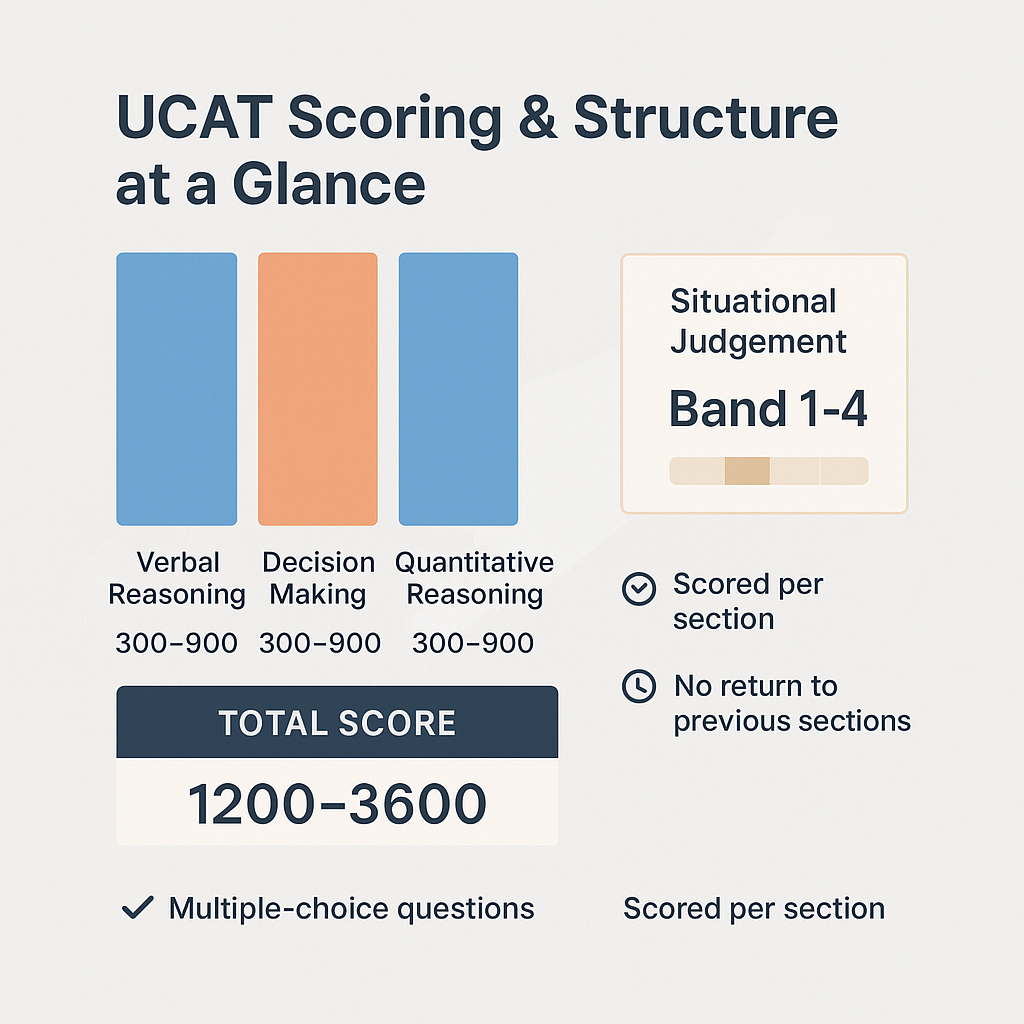
UCAT Application Process and Key Deadlines
The UCAT exam application process is straightforward but requires careful planning to ensure you meet all deadlines. Here’s a step-by-step guide for Indian students:
- Registration: UCAT registration typically opens in early May and closes in mid-September. Candidates must register online via the official UCAT website.
- Booking the Test: After registration, book your test at a Pearson VUE center in India. Early booking is recommended to secure your preferred date and location.
- Test Window: The UCAT exam is conducted between July and September each year. Choose a date that allows ample time for university applications.
- Test Day Requirements: Bring a valid passport, confirmation email, and arrive at least 30 minutes before your scheduled test time.
- Results: UCAT test scores are available immediately after the test and are automatically sent to participating universities.
- Application Deadlines: Most UK medical schools have an application deadline of October 15 via UCAS. Australian and New Zealand universities may have different timelines.
Missing a deadline can jeopardize your chances of admission, so create a detailed timeline and set reminders for each step of the UCAT exam process.
🎯 Important: Cultural Curiosity
A lot of students are interested in exploring different cultures, languages, and styles of life. The desire to broaden their worldview encourages these students to venture and choose foreign universities.UCAT Scholarships and Funding Opportunities
Financing your medical education abroad can be a significant challenge, but several scholarships and funding options are available for Indian students taking the UCAT exam. Many universities offer merit-based scholarships, and some are specifically targeted at international applicants.
- University Scholarships: Institutions like the University for the Creative Arts and Anglia Ruskin University offer scholarships ranging from £3,000 to £7,000 for eligible students.
- Course-Specific Awards: Some scholarships are tied to specific medical or dental programs and may require a minimum UCAT test score for eligibility.
- External Funding: Explore options from organizations such as the British Council, Commonwealth Scholarships, and private foundations.
- Education Loans: Indian students can apply for education loans from Indian banks or international lenders. For guidance, visit Gateway EduConnect for expert support on loans and funding.
Applying early and preparing strong scholarship applications can significantly reduce the financial burden of studying medicine abroad. Seek guidance from experienced counselors to maximize your chances of securing funding.
Aditi Rao
“I was worried about the cost of studying medicine abroad, but Gateway International helped me find scholarships and funding options that made my dream possible. Their support was invaluable.”
Expert UCAT Exam Tips for Indian Students
Success in the UCAT exam requires more than just hard work—it demands smart strategies and expert guidance. Here are some top tips for Indian students:
- Practice Regularly: Consistent practice with official UCAT questions and mock tests is essential for building speed and accuracy.
- Analyze Mistakes: Review your errors after each practice test to identify patterns and avoid repeating them.
- Stay Calm Under Pressure: The UCAT exam format is designed to be challenging. Develop techniques to manage stress and maintain focus during the test.
- Use Shortcuts Wisely: Learn time-saving techniques for each section, such as skimming passages in Verbal Reasoning or using estimation in Quantitative Reasoning.
- Seek Professional Guidance: Consider enrolling in UCAT preparation courses or seeking mentorship from experienced counselors at Gateway International.
Remember, the UCAT exam is just one part of your medical school application. A strong personal statement, academic record, and interview performance are equally important.
🎯 Important: Mental Health Awareness
Abroad, mental health support systems in universities are more open, accessible, and student-centric — a growing concern among Gen Z.Latest News Updates: UCAT and Medical Admissions
🎯 Important: Latest News Updates
- NDTV: Reports that UK medical schools have seen a 12% increase in Indian applicants taking the UCAT exam, reflecting growing interest in international medical education. Read more
- BBC: Highlights changes in UK visa policies for international medical students, including streamlined processes for UCAT test-takers. Read more
- CNN: Covers the impact of global political trends on medical school admissions and the importance of standardized tests like the UCAT exam. Read more
- Times of India: Features success stories of Indian students who excelled in the UCAT test for medical school and secured scholarships at top UK universities. Read more
- QS World University Rankings: Publishes updated rankings of medical schools accepting the UCAT exam, helping Indian students make informed choices. Read more
Check Out: Discover Switzerland Visa Fee: A Comprehensive Guide for Indian Students’ Study Abroad Journey
Conclusion
The UCAT exam stands as a gateway to world-class medical education for Indian students. By mastering the UCAT exam pattern and format, understanding the nuances of UCAT test scores, and adopting effective preparation strategies, you can position yourself for success in the competitive field of medicine. Remember, the UCAT test overview is just the beginning—consistent effort, expert guidance, and a clear understanding of the UCAT exam format will help you achieve your dream of studying at top medical schools abroad.
Gateway International, led by IIT Delhi alumni and backed by 17+ years of experience, is dedicated to supporting Indian students at every step of their UCAT journey. From personalized counseling to exclusive university partnerships and end-to-end support, we are committed to turning your medical aspirations into reality.
Find Your Ideal Study Destination
Discover the perfect country for your international education journey. Our AI-powered quiz analyzes your preferences to recommend destinations that match your budget, career goals, and lifestyle preferences.
Question 1 of 3