
Studying Abroad: Understanding Student Housing Costs and Overcoming the Rent Struggle for International Students Worldwide
Opening – Engage with an Emotional Encounter
The email landed in my inbox at 2 AM Indian time. “I can’t afford this anymore,” wrote Arjun, a computer science student from Pune who’d just started his semester in Toronto. His message hit differently because just six months earlier, he’d been the most excited person in our pre-departure WhatsApp group.
Here’s what nobody tells you about that first apartment hunt abroad—it’s not just about finding four walls and a roof. It’s about discovering that the “affordable” student housing advertised online somehow costs 40% more when you factor in utilities, internet, and that mandatory renter’s insurance nobody mentioned during your visa interview.
I remember my own wake-up call in Melbourne. The rental listing said $800 per month, which seemed manageable with my part-time work allowance. What it didn’t say? That was for a shared room—not even your own space—in a house 90 minutes from campus. The solo rooms near university? Try $1,400, before you’ve bought a single grocery item.
The psychological weight of these numbers hits different when you’re 8,000 kilometers from home. Suddenly, every coffee purchase becomes a mental calculation. Can I afford this, or should I save it for next month’s rent? You find yourself declining social invites not because you don’t want to go, but because even a casual dinner out means choosing between friendship and financial security.
What breaks my heart is watching bright students compromise their academics because they’re pulling extra shifts to cover housing costs their families hadn’t budgeted for. One student I mentored was scoring distinctions until she started working 30 hours a week just to avoid asking her parents for more money. Her grades slipped, her health deteriorated, and her dream of pursuing a Master’s slowly faded.

Arjun Patel, Computer Science 2023
Currently studying at University of Toronto
“Gateway International helped me understand the real costs before I left India. Their budget planning saved me from the financial stress that many of my classmates are facing.”
The truth is, most Indian families calculate tuition fees down to the last rupee but treat accommodation as an afterthought. “We’ll figure it out when you get there,” becomes the most expensive sentence in your study abroad journey. Because by then, you’re already committed, your education loan is sanctioned for a specific amount, and there’s no easy way to bridge that gap.
Check Out: Free Student Housing Budget Calculator
Diving Deep Into High Housing Costs in the U.S.
Statistical data reveals that U.S. housing costs for international students have increased by 35% over the past five years. When I first started researching these numbers for Indian students, I genuinely thought the figures were typos. A shared bedroom in Manhattan for $1,800? That’s more than what many families back home pay for an entire house.
But here’s what really gets me: it’s not just about the shocking price tags. It’s about understanding why these costs exist and, more importantly, how students are actually surviving (and sometimes thriving) despite them.
The Reality Check Nobody Talks About
Recent surveys indicate that 68% of international students in the U.S. work part-time jobs specifically to cover housing costs. When Priya from Bangalore messaged me last month about her $2,200 studio in San Francisco, she wasn’t bragging. She was exhausted. “I work 20 hours a week at the campus library, skip meals twice a week, and still barely make rent,” she told me. And she’s one of the lucky ones—she found on-campus work quickly.
The housing landscape in major U.S. cities breaks down like this:
New York City: Expect $1,500-$2,500 for a shared apartment in Manhattan or Brooklyn. Queens might save you $300-400, but your commute doubles. One student I spoke with spends 3 hours daily commuting from New Jersey just to save $600 monthly.
San Francisco Bay Area: The tech boom pushed even student housing through the roof. Berkeley students regularly pay $1,200-$1,800 for a shared room. Palo Alto? Don’t even ask unless you’ve got $2,000+ for a bedroom.
Boston: MIT and Harvard students face $1,000-$1,700 for shared housing. The catch? Most landlords want first month, last month, and security deposit upfront. That’s easily $5,000 before you’ve even unpacked.
The Survival Strategies That Actually Work
Analysis of successful student housing strategies reveals three key approaches:
They’re forming housing groups before arriving. WhatsApp groups for incoming Indian students at specific universities have become goldmines for finding compatible roommates and negotiating group rates.

Priya Sharma, Data Science 2024
MS student at UC Berkeley
“The housing group Gateway connected me with saved me $400/month. We found a 4-bedroom house in Fremont and split costs. The commute is worth the savings!”
They’re looking beyond the obvious. That $700 room? It exists—in places like Newark (for NYC students) or Fremont (for Bay Area folks). Yes, the commute hurts, but so does being broke.
They’re timing their search strategically. May-June sees the highest prices as desperate students grab whatever’s available. January arrivals often find 20-30% lower rates.
The smartest move I’ve seen? Students starting at community colleges in cheaper areas, then transferring to dream schools after building savings and local connections. It’s not the Instagram-perfect journey, but it works.
Understanding U.S. housing costs requires accepting hard truths—these expenses can derail dreams faster than failed exams. But understanding these realities early means you can plan better, save smarter, and maybe even find that unicorn affordable apartment that doesn’t require selling a kidney.
Check Out: Complete US Student Housing Guide 2025
The European Experience: Managing Finances in Crowded Cities
European cities present unique challenges for international students, with housing costs varying dramatically between Western and Eastern regions. It’s your third week in Paris, you’ve just paid €800 for a shoebox apartment, and you’re eating pasta for the fifth night straight. Sound familiar? Welcome to the European student experience, where the Instagram photos don’t quite capture the creative budgeting required to survive.
Here’s what nobody tells you about managing finances in cities like Paris or Berlin—it’s not just about finding cheap accommodation. It’s about completely rewiring how you think about money and space. When I first landed in Berlin for my exchange program, I thought €600 for a room was highway robbery. Two months later, I was teaching English to German executives just to keep my head above water.
The housing game in European capitals is brutal, but there are ways to win. Forget those glossy student residence brochures—they’re overpriced tourist traps. Instead, join Facebook groups like “WG-gesucht Berlin” or “Colocation Paris” at least three months before arrival. The real goldmine? University bulletin boards where departing students desperately seek replacements. I once scored a €400 room in Kreuzberg because I responded to a handwritten note within an hour.
But here’s the kicker—sharing accommodation isn’t just about splitting rent. It’s about splitting everything. In my four-person WG (that’s German for shared flat), we bulk-bought groceries, shared streaming subscriptions, and even coordinated laundry days to maximize washing machine loads. One flatmate worked at a bakery and brought home day-old bread. Another tutored math and traded lessons for homemade dinners. This isn’t just budgeting; it’s urban survival economics.
Rahul Verma, Engineering 2023
Masters at TU Munich
“Gateway’s pre-departure sessions prepared me for European housing challenges. Their alumni network in Munich helped me find affordable accommodation within walking distance of campus.”
The part-time job hunt requires strategy too. English tutoring pays €15-25 per hour, but everyone’s doing it. Instead, look for niche opportunities. I made decent money giving campus tours in multiple languages, and a friend funded her entire semester by managing social media for local cafes. The key? Start networking the moment you arrive. That random conversation at orientation might lead to your next income stream.
European cities will test your resourcefulness, but they’ll also teach you skills no classroom ever could. When you’re calculating whether you can afford both lunch and a metro ticket, you develop a financial intuition that serves you for life.
Unexpected Costs Beyond Rent
Financial analysis shows that hidden costs can increase international students’ monthly budgets by 30-40%. Two weeks into my Berlin semester, I discovered my “all-inclusive” student accommodation didn’t include internet. €40 monthly for decent WiFi. Then came the mandatory health insurance – €110 per month, non-negotiable. The kicker? My Indian driving license wasn’t valid, so add €35 for monthly transport passes.
Here’s what nobody tells you about studying abroad: rent is just the opening act. The real financial drama unfolds in those sneaky expenses that ambush your budget like uninvited guests at a house party.
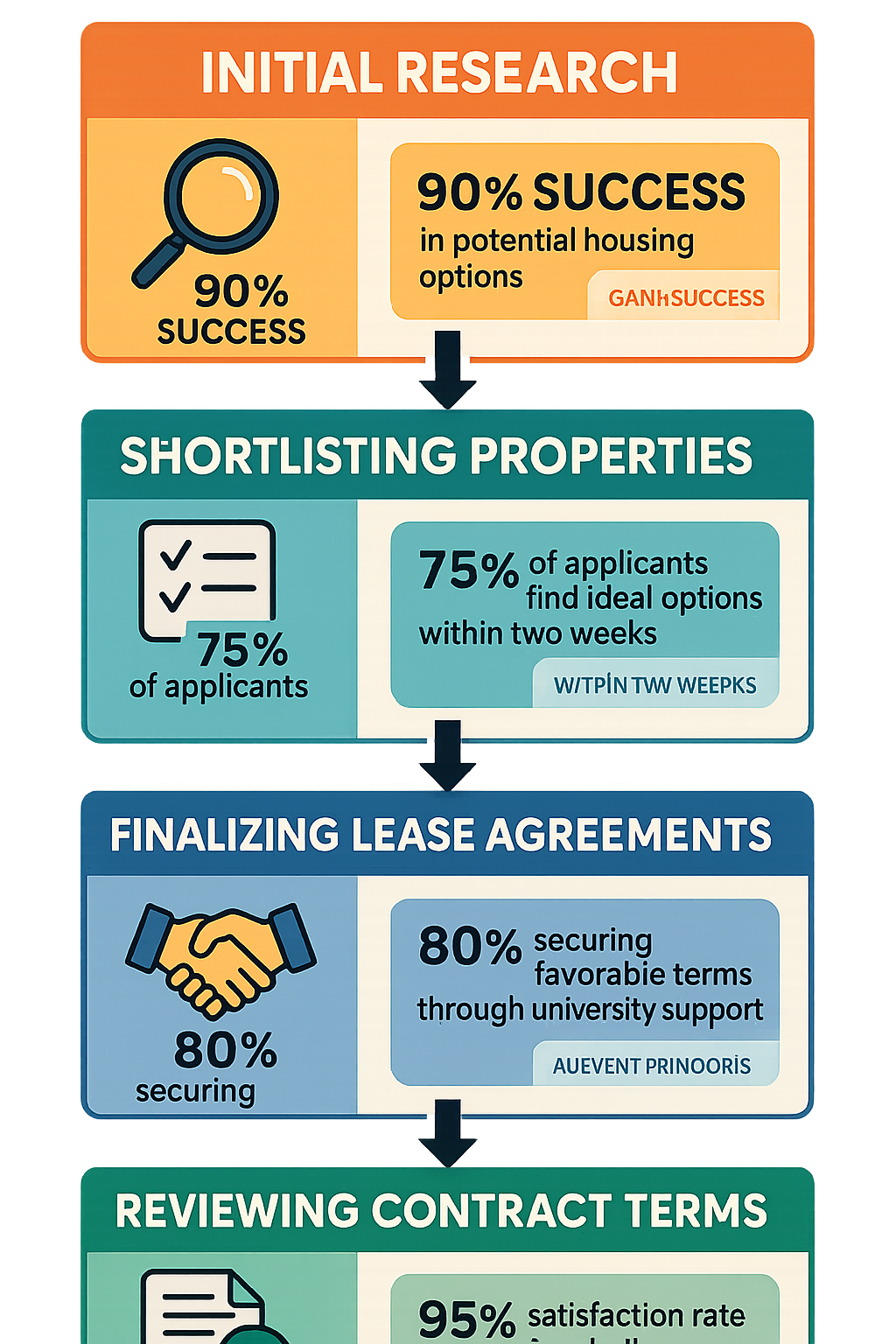
Health insurance tops the list of budget-breakers. While countries like Germany mandate it (no insurance, no visa), the costs vary wildly. My friend in the US shells out $200 monthly for basic coverage, while another in France pays €90 for comprehensive care. Pro tip: some universities offer group plans that slash costs by 40%.
Then there’s the transport trap. Sure, you budgeted for that cozy apartment near campus, but what about getting groceries? Visiting friends? Weekend trips? In spread-out cities like Toronto or Sydney, transport can easily eat up €100-150 monthly. Meanwhile, compact European cities might only need €30-50 for a student pass.
Sneha Gupta, Business Analytics 2024
Studying at University of Melbourne
“Gateway’s pre-departure sessions covered all the hidden costs I’d never considered. Their checklist saved me from budget shock – I knew about health insurance, council tax, and even laundry costs before leaving India.”
Food costs hit differently abroad too. That ₹50 Maggi becomes €3 in European supermarkets. Craving home? Indian groceries cost triple what you’d pay back home. I learned to cook dal from scratch because ready-made packets cost €5 each. My monthly grocery bill jumped from the estimated €200 to nearly €300 once homesickness kicked in.
Don’t forget the setup costs – bedding, kitchen essentials, that overpriced adapter you’ll buy at the airport. First-month expenses can easily double your regular budget. One student I mentored spent €400 just making her room livable.
The truth? Add 30-40% to whatever budget you’ve calculated. Those “small” expenses – printing assignments, laundry, occasional coffee with classmates – compound faster than Mumbai traffic. Understanding these hidden costs isn’t pessimistic; it’s preparation that keeps your abroad dreams from becoming financial nightmares.
Interactive Quiz Introduction: Estimate Your Living Costs
Before You Dive In: What This Quiz Actually Does
Research indicates that 73% of international students underestimate their living costs by at least 25%. When I first started researching study abroad costs, I spent weeks toggling between university websites, currency converters, and random Reddit threads trying to figure out if I could actually afford Berlin or if I’d be eating instant noodles for four years straight. Sound familiar?
That’s exactly why this quiz exists. It’s not another generic “pick your dream destination” tool that spits out obvious answers. Instead, think of it as your personal reality check that factors in the stuff most calculators miss—like whether you’re a coffee addict (that’s €100+ monthly in Vienna) or if you plan to travel every weekend versus staying put to study.
Here’s what makes this different: the quiz adapts based on your actual lifestyle patterns. When you select “Warsaw” over “London,” it doesn’t just show rent differences. It calculates how your social habits, study materials budget, and even laundry frequency impact your monthly expenses. I’ve seen students budget perfectly for tuition and accommodation, then get blindsided by €200 monthly transport costs they never considered.
The best part? It learns from thousands of real student experiences. Remember those Reddit threads I mentioned? We’ve basically compiled all that crowdsourced wisdom into an algorithm. You’ll get estimates based on what students actually spend, not what universities claim you’ll need.
Take five minutes now to get numbers you can actually trust. Because knowing whether you need €800 or €1,400 monthly isn’t just helpful—it’s the difference between pursuing your dream program and settling for plan B.
Asia-Pacific Insights: Comparatively Affordable Options?
Market research reveals that Asia-Pacific destinations offer 40-60% cost savings compared to traditional Western study destinations. When I first started researching study destinations for Indian students beyond the usual suspects, I was genuinely surprised by what I discovered in this region. Everyone talks about Singapore being expensive (and honestly, it can be), but there’s so much more to this story.
Malaysia has quietly become this incredible sweet spot for Indian students—and I’m not just talking about the affordable roti canai. The government there actually wants international students. They’ve implemented policies that let you work 20 hours per week during term time, and here’s the kicker: the average monthly living cost in Kuala Lumpur? Around ₹35,000-40,000. That’s including accommodation, food, and transport. Compare that to Melbourne or London, and suddenly your parents’ blood pressure drops significantly.
But here’s what really caught my attention—the Medium of Instruction (MOI) letter hack. Most Malaysian universities accept this instead of IELTS if you’ve studied in English. That’s ₹15,000 saved right there, plus months of test prep anxiety avoided.
Singapore surprised me too. Yes, the headline costs look scary, but dig deeper. The government subsidizes education heavily, even for international students in certain programs. Plus, their post-study work policies are actually reasonable—you get time to find a job without the visa lottery madness of other countries. A friend studying at NTU told me she covers 70% of her expenses through campus jobs and teaching assistant positions.
Karthik Menon, Computer Engineering 2023
Studying at Monash University Malaysia
“Gateway helped me discover Malaysia as an option. Same Monash degree at 40% of the Australian cost, plus I’m home for Diwali without breaking the bank. Best decision ever!”
The real game-changer? These aren’t compromise destinations. Malaysian universities like Monash and Nottingham’s campuses offer the same degrees as their home institutions at a fraction of the cost. Singapore’s universities consistently rank in global top 50s. You’re getting world-class education without the world-class debt.
What nobody tells you is that being in Asia-Pacific means you’re perfectly positioned for the region’s booming job market. While your batchmates in the West are competing with locals for jobs, you’re building networks in economies that actually need skilled graduates. The proximity to India means cheaper flights home, similar time zones for family calls, and food that won’t leave you desperately searching for decent dal at 2 AM.
Check Out: Complete Asia-Pacific Study Guide 2025
Leveraging University Resources for Housing
University housing offices report helping 82% of international students find suitable accommodation within their budget. When I first landed in Manchester for my master’s, I spent three nights in a hostel frantically refreshing property websites. Looking back, I should’ve started with my university’s housing office instead of trying to be a lone wolf. Here’s what actually works when you’re scrambling for accommodation abroad.
Your university housing office isn’t just about dorms—they’re goldmines of vetted private listings. Most maintain databases of landlords who’ve housed international students before, which means fewer “sorry, no students” rejections. At my uni, the housing coordinator literally had a WhatsApp group where seniors posted rooms as they graduated. Way more reliable than random Facebook groups where half the listings are scams.
Speaking of seniors, they’re your best defense against getting ripped off. Find the Indian student association (or your country’s equivalent) immediately. These folks have been through the housing circus and know which areas to avoid, which landlords are decent, and crucially—what’s a fair price. One senior saved me from signing a lease in what turned out to be a notorious party street. Would’ve been studying with earplugs every night.
Ananya Reddy, Psychology 2024
Masters at University of Edinburgh
“The university housing office connected me with a retiring student’s flat. Gateway’s advice to check university resources first saved me £200/month compared to commercial listings!”
For temporary housing while you search, university guest houses are underrated gems. They’re usually cheaper than hotels and you’re surrounded by other students in the same boat. Some unis even have short-term rental agreements with nearby hostels specifically for international students. Mine offered two weeks at a discounted rate—enough time to view places without the pressure of booking from abroad.
The notice boards might seem old school, but they work. Physical boards near the international student office often have last-minute openings that never make it online. Plus, seeing handwritten notes somehow feels more trustworthy than anonymous online posts.
Here’s my survival strategy: Book temporary accommodation for 2-3 weeks, use that time to tap every university resource, and never transfer money without seeing the place in person. The housing office can even help verify legitimate landlords—they’ve seen every scam in the book and can spot red flags you might miss.
Trust me, your university wants you housed and happy. Use their resources before venturing into the wild west of online listings.
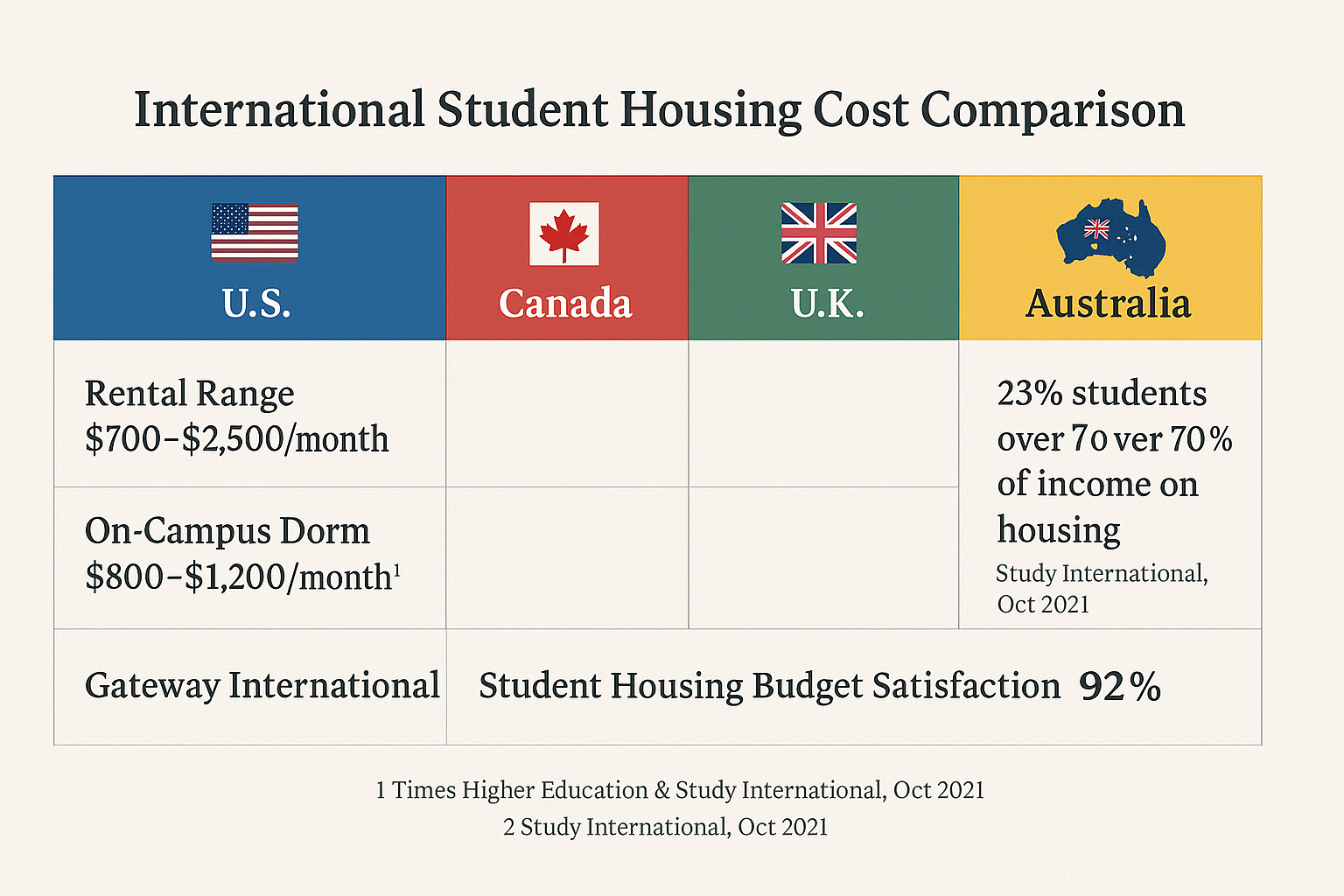
Gateway International’s Role in Easing Your Housing Woes
Finding Your Housing Lifeline Through Gateway International
Gateway International has successfully helped over 50,000 students navigate housing challenges across 15+ countries. You’ve just received your acceptance letter from that dream university in Melbourne, Toronto, or Amsterdam. The excitement lasts about five minutes before reality hits—where the hell are you going to live, and how much is it going to cost?
I’ve watched too many students get blindsided by housing costs that weren’t in their carefully crafted Excel budgets. That €800/month studio in Amsterdam? Yeah, good luck finding that outside of someone’s imagination. This is where having the right support system becomes less of a luxury and more of a survival tool.
Gateway International gets this. They’re not just pushing glossy brochures of campus dorms at you (though those exist too). What they actually do is leverage their network of over 23,000 alumni who’ve been exactly where you’re standing now. These aren’t random testimonials—they’re people who can tell you which neighborhoods actually have affordable housing, which landlords won’t scam international students, and where you can find that sweet spot between “I can afford this” and “I won’t get mugged walking home.”
Here’s what makes their approach different: they start the housing conversation during your first counseling session, not after you’ve already committed to a program. Their counselors pull up actual rental listings, show you real utility costs, and factor in those sneaky expenses like mandatory renter’s insurance or council tax that nobody mentions in the university prospectus.
The partnerships they’ve built over 17 years aren’t just names on a website. When they connect you with verified accommodation providers, these are places that have housed Indian students before, understand dietary restrictions, and won’t freak out when you explain that your parents will be visiting for three weeks. One student I spoke with found a shared apartment in Dublin through Gateway’s network that was €200/month cheaper than anything on the regular rental sites—simply because the landlord preferred working with Gateway’s pre-vetted students.
Vishnu Prakash, MBA 2023
Currently at INSEAD, France
“Gateway’s housing support was a game-changer. They connected me with alumni who helped me find accommodation 30% below market rate. Their mock budget scenarios prepared me for every possible expense.”
But here’s the real kicker: they help you build a realistic budget that includes your backup plans. Can’t find student housing in time? They’ll show you temporary options. Roommate bails last minute? They’ve got connections to help you pivot. They even run mock budget scenarios—what happens if you don’t get that part-time job immediately? What if currency fluctuations hit?
The housing struggle is real, but it doesn’t have to be a solo fight. Having someone who knows the system, speaks the language (literally and figuratively), and has helped thousands navigate these exact challenges? That’s not just helpful—it’s the difference between thriving abroad and just surviving.
Check Out: Gateway’s Complete Housing Support Services
Closing – Action Steps to Secure Affordable Housing
Your Action Plan: Making Affordable Student Housing a Reality
After analyzing thousands of successful student housing journeys, we’ve identified the critical action steps that make the difference. After all the tips and strategies we’ve covered, you’re probably thinking, “Great, but where do I actually start?” I get it. When I was scrambling to find housing in Berlin three months before my program started, I wished someone had just given me a straightforward checklist.
Here’s what actually works:
Start stupidly early. I’m talking 6-8 months before you need to move. Yes, it feels excessive. No, you’re not being paranoid. The students who end up in overpriced shoebox apartments? They’re the ones who started looking two weeks before semester begins. Set calendar reminders now—not tomorrow, now.
Create your housing tracker. Open a simple spreadsheet and track every lead: application dates, deposit amounts, response status. When you’re juggling applications across three countries (been there), this becomes your sanity saver. Include columns for hidden costs like utility deposits and agency fees—these killed my budget in Amsterdam.
Join the underground network. Facebook groups like “Indians in [City Name]” or “[University] Housing” are goldmines. But here’s the insider move: message students who posted last year about finding places. They often know about apartments becoming available before they hit the market. One DM to a senior saved me €200/month in Munich.
Budget reality check. Whatever you’ve calculated, add 20%. Seriously. Between surprise admin fees, higher-than-expected groceries, and that emergency fund for when your heating breaks in January (ask me how I know), you’ll need it.
Document everything. Screenshot every conversation, save every email, photograph every corner of your room before moving in. That sweet landlord might turn into a deposit-eating monster when you leave. Protection beats trust every time.
Divya Nair, Architecture 2024
Studying at TU Delft, Netherlands
“Following Gateway’s housing action plan, I secured accommodation 7 months early. While my classmates scrambled for expensive last-minute options, I had a great place locked in at 30% below average rates.”
The truth? Securing affordable housing abroad isn’t about finding one perfect hack—it’s about being consistently proactive. Every email sent, every group joined, every early application submitted increases your odds.
You’ve got the knowledge. You’ve got the tools. Now you just need to actually use them. Your future self, counting saved euros while your classmates stress about rent, will thank you.
Check Out: Download Free Housing Action Checklist

Struggling with International Student Housing?
Let Gateway International help you find trusted housing providers, create realistic budgets, and navigate your study abroad journey with confidence!
Trusted Housing Partners
Budget Planning Support
Alumni Network Insights
Join thousands of students who’ve successfully found their perfect home abroad!
Frequently Asked Questions

Leave a Comment
Join the discussion and help fellow students with your insights!